Lemon Balm Tea Recipe for a Calm Daily Ritual
Lemon Balm has that soft, lemony smell that makes the kitchen feel quieter the second the leaves touch warm water. I love this kind of drink on slow evenings, especially when I want something fresh, gentle, and caffeine-free without making a whole production out of it.
This Lemon Balm tea is light, herbal, and soothing, with a little brightness from lemon, a warm edge from ginger, and just enough sweetness if you decide to add honey. It’s the kind of simple homemade infusion that feels special even though it comes together with barely any effort.
A Fresh Lemon Balm Drink That Feels Like a Reset
The first time I made Lemon Balm tea, I honestly treated it like mint tea’s quieter cousin. I tossed the leaves into water that was way too hot, forgot to cover the cup, and wondered why the flavor tasted flat. Tiny mistake, but it taught me something: Lemon Balm is delicate.
When you let it steep gently, covered, the flavor becomes softer and rounder. The scent is citrusy but not sharp, almost like lemon zest mixed with fresh garden herbs. Add ginger, and it gets warmer. Add lemon juice, and it wakes up. Add honey, and it turns mellow and cozy.
This isn’t a harsh detox drink or some dramatic wellness potion. It’s just a clean, calming Lemon Balm recipe you can enjoy warm in a mug or chilled over ice.
Ingredients That Make Lemon Balm Tea Shine
- Lemon Balm – the star herb, bringing a fresh citrus-herbal aroma and a gentle, calming flavor.
- Filtered water – helps keep the taste clean so the Lemon Balm comes through clearly.
- Lemon juice – adds brightness and a little tart lift if you like a sharper finish.
- Fresh ginger – gives the tea warmth and a lightly spicy note.
- Raw honey – softens the herbal taste with natural sweetness.
- Mint or green tea leaves – optional add-ins for a fresher or slightly bolder variation.
See the recipe card below for the full list of ingredients and measurements.
Choosing Fresh or Dried Lemon Balm
Fresh Lemon Balm gives the strongest garden-like aroma. The leaves smell bright, almost sweet, and they make the tea feel more vibrant. Dried Lemon Balm works too, especially when fresh herbs aren’t around, but the flavor is usually softer.
I prefer fresh leaves when I want the drink to feel crisp and fragrant. Dried leaves are great for a pantry version, especially if you want something easy to keep on hand.
Brewing Lemon Balm Without Losing the Flavor
Start by rinsing the Lemon Balm leaves well. Herbs can hide little bits of dust, and nobody wants that floating in a pretty cup of tea.
Warm the water, but don’t let it stay aggressively boiling. Lemon Balm tastes best when the water is hot but gentle. Add the leaves, then tuck in the ginger, lemon juice, mint, or green tea if you’re using them.
Cover the mug or teapot while it steeps. This little step matters because it keeps the delicate aroma from disappearing into the air. After steeping, strain the tea and stir in honey if you want it slightly sweet.
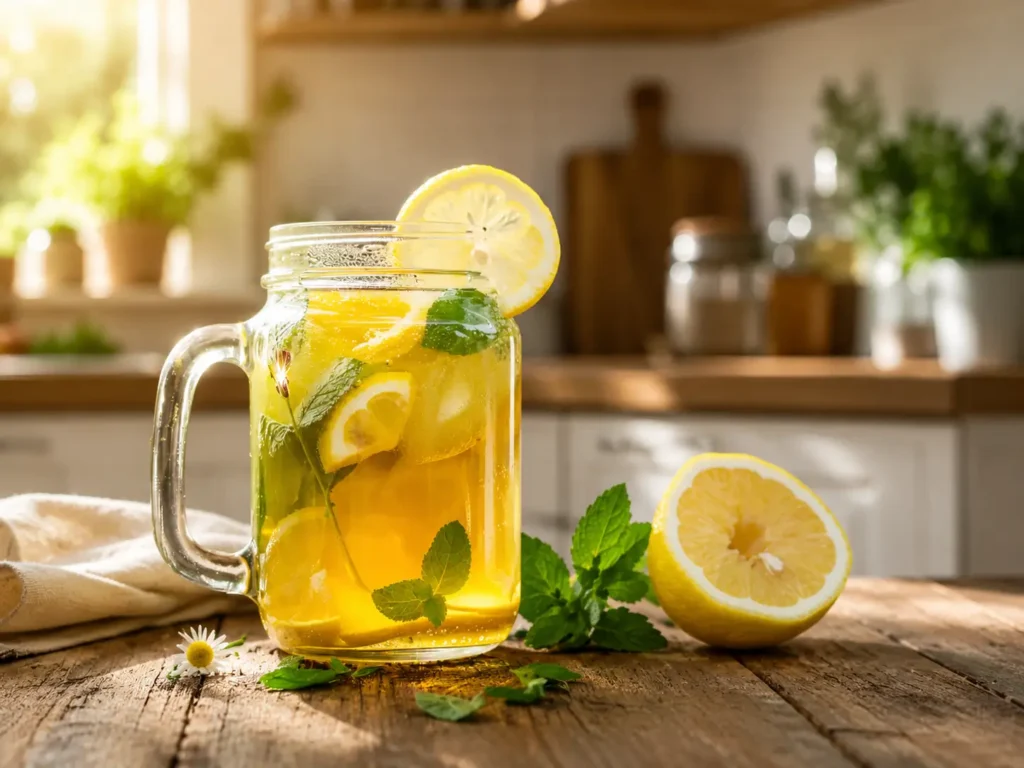
The finished Lemon Balm tea should look pale golden-green, smell fresh and herbal, and taste smooth with a soft lemony finish.
Serving and Storage Ideas for Lemon Balm Tea
Warm Lemon Balm tea is lovely in the evening, especially plain or with a touch of honey. For daytime, I like it chilled with lemon and mint because it tastes more refreshing, almost like a light herbal lemonade.
You can also make it ahead and refrigerate it. Serve it over ice, add a lemon slice, or pour it into a glass bottle for a simple drink to keep nearby.
For the best flavor, enjoy Lemon Balm tea fresh or chilled the same day. The taste can become dull if it sits too long.
Recipe Card
Recipe Name: Lemon Balm Tea
Prep Time: 2 minutes
Cook Time: 15 minutes
Total Time: 17 minutes
Yield: 2 servings
Serving Size: 1 cup
Category: Drink
Method: Infusion
Cuisine: Herbal Remedy
Calories: 5
Ingredients
- 1 cup fresh lemon balm leaves, or 2 tablespoons dried lemon balm
- 2 cups filtered water
- 1 teaspoon lemon juice, optional
- 2–3 slices fresh ginger, optional
- 1 teaspoon raw honey, optional
- A few mint or green tea leaves, optional
Instructions
- Rinse the Lemon Balm leaves under cool water to clean them well.
- Heat the filtered water to 160–180°F, or 70–80°C, then take it off the heat.
- Place the Lemon Balm leaves into the hot water.
- Add ginger, lemon juice, mint, or green tea leaves if you’re using any extras.
- Cover and let the tea steep for 10–15 minutes.
- Strain the infusion into mugs or a teapot.
- Stir in honey if desired, then enjoy the Lemon Balm tea warm or chilled.
Notes
- Fresh Lemon Balm gives the tea a stronger aroma and brighter flavor.
- Keep the tea covered while steeping to hold in the delicate herbal oils.
- Drink 1–2 cups daily if you enjoy it as part of your routine.
- Pair it with steady sleep habits and calming routines for a balanced lifestyle.
Conclusion
There’s something incredibly comforting about wrapping your hands around a warm mug of Lemon Balm tea after a long day. The gentle citrus aroma, the soft herbal flavor, and the little hint of ginger make it feel calm and grounding without being heavy. I especially love it chilled on warmer afternoons with extra lemon and fresh mint floating on top. However you serve it, Lemon Balm has a way of turning an ordinary moment into something slower and more peaceful.
FAQs about Lemon Balm
Can I make Lemon Balm tea ahead of time?
Yes, Lemon Balm tea stores well in the refrigerator for up to one day. Keep it in a sealed glass container so the herbal flavor stays fresh. If you plan to serve it cold, adding fresh lemon right before drinking helps brighten the taste again.
Is fresh or dried Lemon Balm better for this recipe?
Fresh Lemon Balm usually gives the tea a brighter aroma and cleaner citrus flavor. Dried leaves still work beautifully, especially when fresh herbs are out of season. The flavor tends to be softer and slightly earthier when dried herbs are used.
Can I drink Lemon Balm tea cold?
Absolutely. Lemon Balm tea tastes refreshing over ice, especially with mint or lemon slices added. I sometimes chill a batch overnight and pour it into a tall glass for an afternoon drink that feels crisp and light.
What pairs well with Lemon Balm tea?
This herbal tea goes nicely with simple snacks and light desserts. Soft tea cakes, buttery cookies, fresh berries, or toast with honey all work really well. The delicate flavor of Lemon Balm doesn’t overpower mild foods, which makes it easy to serve alongside breakfast or an evening treat.
Lemon Balm Tea Recipe for a Calm Daily Ritual
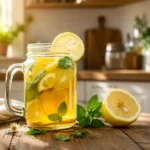
A calming Lemon Balm tea made with fresh herbs, warm ginger, lemon juice, and optional honey for a gentle homemade drink.
- Prep Time: 2 minutes
- Cook Time: 15 minutes
- Total Time: 17 minutes
- Yield: 2 servings 1x
- Category: Drink
- Method: Infusion
- Cuisine: Herbal Remedy
Ingredients
- 1 cup fresh lemon balm leaves, or 2 tbsp dried lemon balm
- 2 cups filtered water
- 1 tsp lemon juice, optional
- 2–3 slices fresh ginger, optional
- 1 tsp raw honey, optional
- A few mint or green tea leaves, optional
Instructions
- Wash the lemon balm leaves well under cool running water.
- Heat the filtered water to 160–180°F (70–80°C), then take it off the heat.
- Place the lemon balm leaves into the hot water.
- Add ginger, lemon juice, mint, or green tea leaves if you want extra flavor.
- Cover the cup or teapot and let the mixture steep for 10–15 minutes.
- Strain the tea into a mug or teapot.
- Sweeten with raw honey if desired, then serve warm or chilled.
Notes
- Fresh lemon balm gives the drink a brighter scent and fuller herbal taste.
- Keep the tea covered while it steeps to help preserve its delicate oils.
- Enjoy 1–2 cups daily as part of a steady routine.
- Pair this tea with restful sleep habits and calming daily practices to support balanced wellness goals.
Nutrition
- Serving Size: 1 cup
- Calories: 5
- Sugar: 0g
- Sodium: 0mg
- Fat: 0g
- Saturated Fat: 0g
- Unsaturated Fat: 0g
- Trans Fat: 0g
- Carbohydrates: 1g
- Fiber: 0g
- Protein: 0g
- Cholesterol: 0mg
Keywords: Lemon Balm, lemon balm tea, herbal tea, lemon balm drink, fresh lemon balm recipe