Easy 35-Minute Baked Spinach Zucchini Frittata Fingers
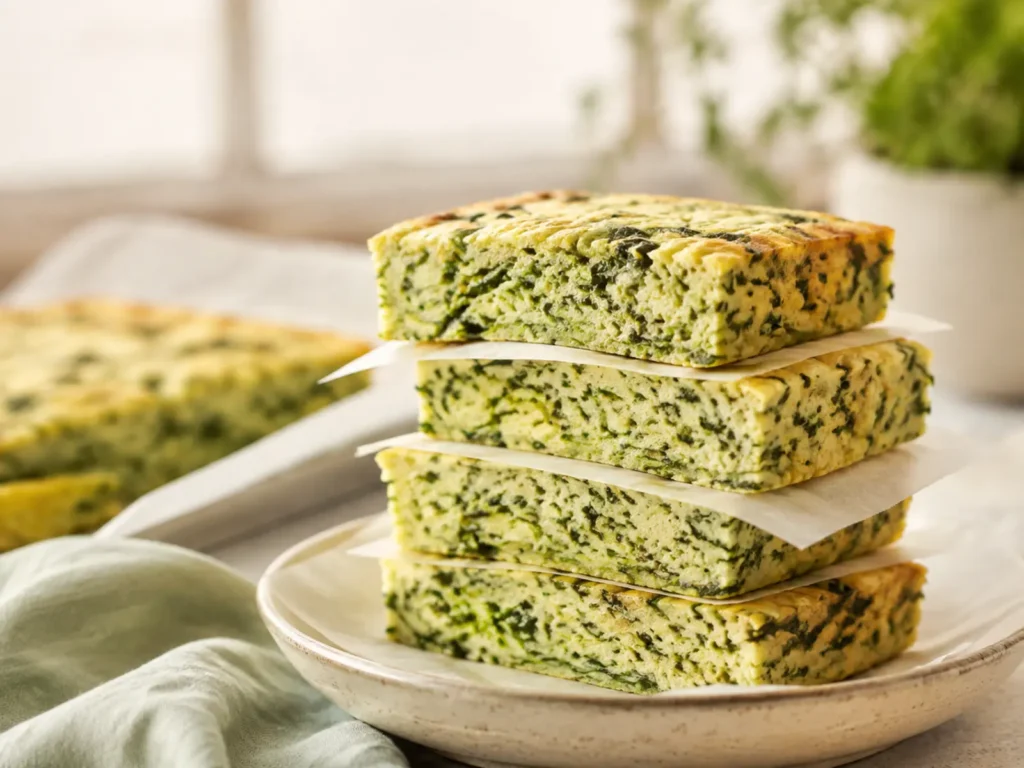
Baked Spinach Zucchini Frittata Fingers brings familiar seasonal flavor into a practical recipe that home cooks can approach with ordinary equipment. The verified version takes 35 minutes and yields 8 frittata fingers, so the timing is clear before you begin. Rather than copying the source presentation, this guide focuses on what each ingredient contributes, how the texture changes during preparation, and which small decisions protect the finished result. The recipe has not been presented here as personally tested; the factual quantities, timing, and method come from the documented reference recipe. Read through the process once, prepare the ingredients, and use the sensory cues alongside the clock for a more controlled result.
What Makes This Seasonal Recipe Useful
Baked Spinach Zucchini Frittata Fingers is built around a sautéing and baking method and a verified total time of 35 minutes. The recipe makes 8 frittata fingers, which makes it practical for its intended place at the table. Its strongest feature is the way the main ingredients create contrast without requiring unnecessary additions. The method is direct, but the result still depends on controlling texture at a few important points. Following the visual cues below matters more than rushing from one step to the next.
Good preparation starts before heat or mixing begins. Set out the equipment, read labels carefully, and keep perishable ingredients properly chilled until needed. Measure the recipe-card quantities rather than estimating from the editorial discussion. When a substitution is used, watch the consistency instead of assuming it behaves identically to the original ingredient. Texture, salt level, moisture, and cooking speed can all shift even when the replacement seems small.
Ingredients That Shape the Flavor and Texture
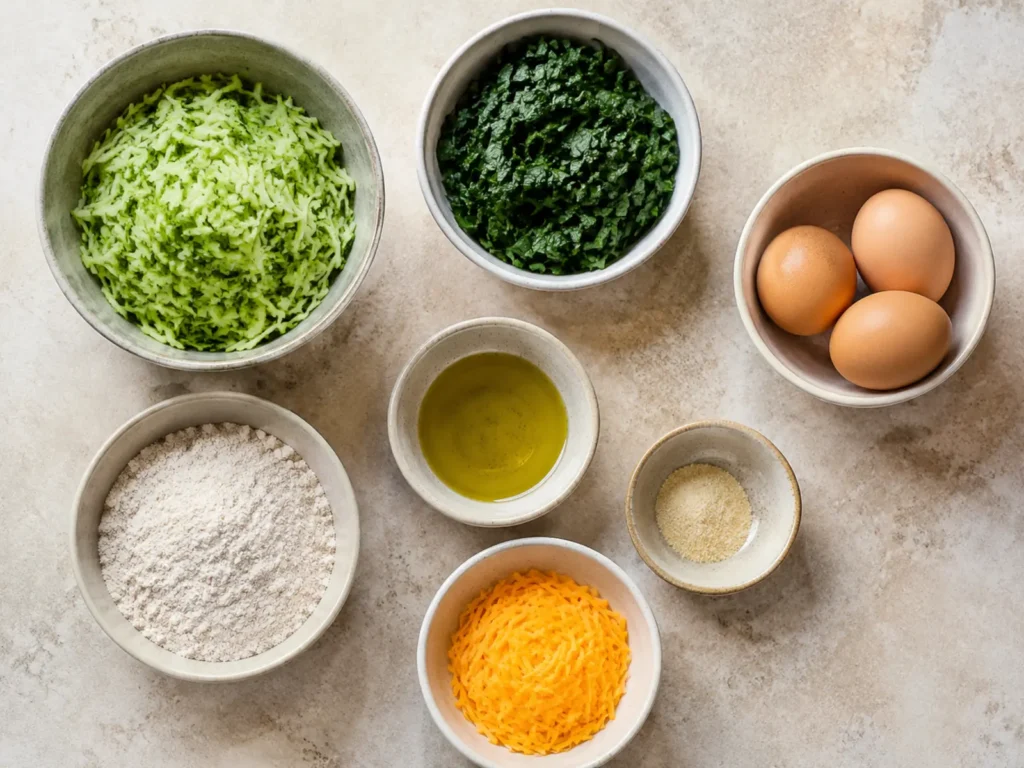
- Finely grated zucchini: Small shreds soften quickly and create a tender finger that can be grasped without leaving hard vegetable pieces.
- Finely chopped spinach: Thawed spinach nuggets or very finely chopped cooked spinach distribute evenly and are easier for little mouths to manage.
- Eggs: Eggs provide the structure and are a common allergen that should already be introduced safely before serving a mixed recipe.
- Whole-wheat or oat flour: A small amount absorbs vegetable moisture so the baked slab holds together when cut.
- Optional pasteurized cheddar: Cheese adds flavor and structure, but omitting it lowers sodium and keeps the recipe dairy-free.
See the recipe card below for the complete ingredient list and exact measurements.
How to Prepare Baked Spinach Zucchini Frittata Fingers
- Heat the oven to 350°F. Grease an 8-inch square pan and line it with parchment, leaving enough overhang to lift the cooked frittata.
- Warm olive oil in a skillet over medium heat. Add the grated zucchini and finely chopped spinach and cook for 3 to 4 minutes until soft. Let excess steam escape.
- Whisk the eggs, flour, onion powder, and optional cheese until combined. Fold in the softened vegetables so they are evenly distributed.
- Pour the mixture into the prepared pan and bake for 15 to 20 minutes until the center is fully set and no liquid egg remains. For food safety, egg dishes should reach 160°F in the center.
- Cool until safe to handle, lift out with the parchment, and cut into 8 wide fingers or 16 small squares according to the child’s developmental skills. Before serving, confirm a piece squashes easily between thumb and forefinger.
The finished recipe should match the texture described in the final step, not simply the elapsed time. Ingredient temperature, pan material, and the strength of a burner or oven can change how quickly food moves from nearly done to ready. Pause to look, smell, and stir when appropriate. If the mixture seems to be changing too quickly, lower the heat rather than trying to recover after scorching, splitting, drying, or overbaking.
Recipe-Specific Tips for a Better Result
- Squeeze thawed spinach and avoid watery zucchini so the fingers set instead of becoming soggy:
- Chop every vegetable finely and cook it until soft before combining it with the egg:
- Omit the optional salt for babies and choose lower-sodium cheese when cheese is included:
- Always serve the child seated upright under direct adult supervision and adapt the shape to current feeding skills:
Clean hands, utensils, and work surfaces reduce cross-contamination. For raw meat recipes, verify doneness with a thermometer instead of color alone; for ready-to-eat or no-cook recipes, protect cold ingredients from time at room temperature. The USDA leftovers guidance explains prompt cooling and reheating, while the FDA food safety guidance covers practical kitchen habits.
Practical Variations and Substitutions
- Use oat flour or a suitable gluten-free flour in the same small quantity when wheat must be avoided.
- Omit cheese for a dairy-free version; expect a slightly softer, less salty result.
- Bake the mixture in 10 to 12 greased muffin cups for 15 to 20 minutes, as supported by the source.
Make only one meaningful substitution at a time when learning the recipe. That makes it easier to understand whether a change in texture or flavor came from the ingredient, the equipment, or the cooking time. Keep the final volume consistent unless every measurement is intentionally scaled, and remember that different brands of cheese, milk, produce, pastry, or canned goods can contribute different amounts of moisture and salt.
Serving Ideas That Fit the Recipe
Serve only to a child who is developmentally ready for solids, generally around 6 months, and who can sit upright with good head control. Review the CDC guidance on starting solid foods and CDC choking-prevention guidance. Offer one soft finger at a time while the child is seated upright and watched continuously; this shape is not automatically safe for every child. Eggs, wheat, and dairy are allergens, so do not use a multi-allergen recipe as the first uncontrolled exposure to several new foods.
Choose serving dishes that support the recipe’s temperature and texture. Warm dishes benefit from warmed bowls or plates, while chilled dishes should remain refrigerated until close to serving. Keep garnishes restrained and limited to ingredients supported by the recipe. This keeps the final plate recognizable and prevents an attractive extra from changing the balance that the measured recipe was designed to produce.
Storage, Reheating, and Make-Ahead Notes
Cool promptly and refrigerate in a covered container for up to 4 days, as stated by the source. Freeze separated fingers for up to 3 months and thaw in the refrigerator. Reheat until steaming hot throughout, then cool to a safe eating temperature before serving; discard leftovers that have been mouthed or handled extensively during the meal.
Label stored food with the preparation date and avoid repeatedly warming and cooling the whole batch. Reheat only the portion needed, or assemble the final components just before eating when the recipe contains crisp, fresh, or separately dressed elements. If odor, texture, or handling history creates doubt, discard the food rather than tasting it to test safety.
A Simple Way to Serve the Season
Baked Spinach Zucchini Frittata Fingers works best when its final texture is protected from the moment cooking or chilling ends. Prepare the serving pieces before the recipe is ready, then portion it without unnecessary delay. Keep the supported finishing ingredients restrained so the central flavors remain clear. Serve it at the temperature described in the recipe and enjoy the contrast that makes this seasonal dish worth planning.
Frequently Asked Questions About Baked Spinach Zucchini Frittata Fingers
Can I prepare Baked Spinach Zucchini Frittata Fingers ahead of time?
Yes, but use the make-ahead guidance from the storage section and keep any crisp, fresh, or separately dressed components apart until serving. This protects the intended texture and makes reheating or final assembly more predictable.
How do I know when the recipe is ready?
Use the specific visual and texture cues in the preparation steps together with the verified time. Equipment and ingredient temperature vary, so the clock should guide the check rather than replace it.
Can I substitute one of the main ingredients?
Use only the practical substitutions listed in the article. Change one ingredient at a time, preserve the measured volume, and expect possible differences in moisture, salt, flavor, structure, or cooking speed.
What is the best way to store leftovers?
Cool or cover the food as directed and refrigerate perishable portions promptly. Use a tightly covered container, keep components separate when noted, and follow the source-supported duration or general USDA leftovers guidance when the source gives no exact period.
Easy 35-Minute Baked Spinach Zucchini Frittata Fingers

Baked Spinach Zucchini Frittata Fingers combines seasonal ingredients in an approachable sautéing and baking recipe with a carefully controlled texture. The independently written steps preserve the verified quantities, yield, and timing while giving home cooks clear cues for serving the finished dish.
- Prep Time: 10 minutes
- Cook Time: 25 minutes
- Total Time: 35 minutes
- Yield: 8 frittata fingers 1x
- Category: Breakfast, Lunch, Snack
- Method: Sautéing and Baking
- Cuisine: Baby and Toddler Food
Ingredients
- 2 teaspoons olive oil
- 1 cup finely grated fresh zucchini
- 3 thawed frozen spinach nuggets or 1/4 cup finely chopped cooked spinach, excess moisture squeezed out
- 3 large eggs
- 1 tablespoon whole-wheat flour or oat flour
- 1/2 teaspoon onion powder
- 1/2 cup grated pasteurized cheddar cheese, optional
- No added salt for babies younger than 12 months
Instructions
- Heat the oven to 350°F. Grease an 8-inch square pan and line it with parchment, leaving enough overhang to lift the cooked frittata.
- Warm olive oil in a skillet over medium heat. Add the grated zucchini and finely chopped spinach and cook for 3 to 4 minutes until soft. Let excess steam escape.
- Whisk the eggs, flour, onion powder, and optional cheese until combined. Fold in the softened vegetables so they are evenly distributed.
- Pour the mixture into the prepared pan and bake for 15 to 20 minutes until the center is fully set and no liquid egg remains. For food safety, egg dishes should reach 160°F in the center.
- Cool until safe to handle, lift out with the parchment, and cut into 8 wide fingers or 16 small squares according to the child’s developmental skills. Before serving, confirm a piece squashes easily between thumb and forefinger.
Notes
- Squeeze thawed spinach and avoid watery zucchini so the fingers set instead of becoming soggy.
- Chop every vegetable finely and cook it until soft before combining it with the egg.
- Omit the optional salt for babies and choose lower-sodium cheese when cheese is included.
- Nutrition information is an estimate calculated per serving and may vary by ingredient brand and portion size.
Nutrition
- Serving Size: 1 frittata finger
- Calories: 70 kcal
- Sugar: 1 g
- Sodium: 145 mg
- Fat: 5 g
- Saturated Fat: 2 g
- Unsaturated Fat: 3 g
- Trans Fat: 0.01 g
- Carbohydrates: 2 g
- Fiber: 0.4 g
- Protein: 4 g
- Cholesterol: 68 mg
Keywords: Baked Spinach Zucchini Frittata Fingers, Easy Baby Led Weaning Recipes, Baby Led Weaning Lunch Ideas, Baby Breakfast Ideas, Baby Led Weaning Dinner Ideas, 6 Month Baby Led Weaning Food Ideas, Baby Led Weaning First Foods 6 Months, Healthy Baby Recipes, Recipes For Baby Led Weaning